
our websites:
quick contact:
- JBC 2,JLT, PO Box 212889 Dubai, United Arab Emirates
- +971 55 489 4873
- info@rgefertilizer.com
Search
People also search for:
Rock Phosphate
- Home
- Phosphorus Fertilizers
- Rock Phosphate
Rock Phosphate
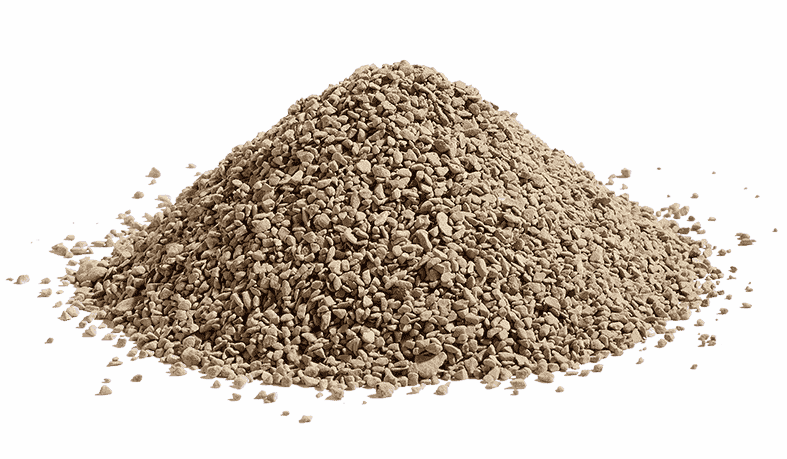
Rock phosphate, also known as phosphate rock, is a naturally occurring mineral used primarily as a source of phosphorus in agricultural applications. It is mined from phosphate-rich deposits and processed into various forms for use as a fertilizer, making it an essential product in modern farming.
Production Process of Rock Phosphate
The production of rock phosphate involves several key steps to extract the mineral from phosphate rock deposits and prepare it for agricultural and industrial use. The process can vary slightly depending on the source of the phosphate rock, but typically it includes the following stages:
1. Mining
- Extraction of Phosphate Rock: The first step in the production of rock phosphate is the mining of phosphate rock from natural deposits. These deposits are found in various parts of the world, including countries such as Morocco, the United States, China, and Russia.
- Types of Phosphate Deposits: Phosphate rock is typically found in sedimentary deposits, which are rich in minerals like apatite (a phosphate mineral), calcium phosphate, and other related compounds.
- Mining Methods: Phosphate rock is usually extracted through open-pit mining or underground mining, depending on the location and depth of the deposits. Open-pit mining involves the removal of large amounts of overburden to access the phosphate rock underneath.
2. Crushing and Grinding
- Crushing: After extraction, the phosphate rock is transported to a processing plant where it is crushed into smaller pieces to facilitate further processing. Crushing helps reduce the size of the rock, making it easier to handle and process.
- Grinding: Once the rock is crushed, it is ground into a fine powder to increase the surface area for the next stages of processing. This step allows the rock to be better absorbed by the soil when applied as fertilizer.
3. Beneficiation (Optional)
- Flotation or Other Methods: In some cases, the phosphate rock undergoes beneficiation, a process that removes impurities (like clay, sand, and other minerals) to improve the purity of the phosphate. This can be done using flotation or other methods, depending on the quality of the phosphate rock and the specific requirements for the end product.
- Concentrating Phosphate Content: Beneficiation helps concentrate the phosphorus content in the rock, making it more effective as a fertilizer.
4. Acidulation (Optional for Further Processing)
- Production of Phosphoric Acid or Other Phosphates: In some cases, the phosphate rock is treated with sulfuric acid (H₂SO₄) to produce phosphoric acid (H₃PO₄), a key raw material for fertilizers like triple superphosphate (TSP) and monoammonium phosphate (MAP).
- For Direct Application as Rock Phosphate: If the rock phosphate is being used directly as a slow-release fertilizer, it may not undergo this acidulation process. Instead, it can be ground further into a fine powder or made into granular forms for ease of application.
5. Granulation (Optional for Granular Rock Phosphate)
- Granulation Process: If the rock phosphate is intended to be applied as a granular fertilizer, it may undergo a granulation process. This involves adding water or other binding agents to the finely ground phosphate rock and then forcing it through a granulator, which forms small pellets or granules.
- Drying: The granules are then dried to remove excess moisture and ensure that the final product is stable and easy to handle.
Essential Characteristics of Rock Phosphate:
- Chemical Composition: Rock phosphate contains high levels of phosphorus, typically in the form of calcium phosphate. Its phosphorus content varies but typically ranges between 30% to 40% phosphorus (P2O5).
- Natural Fertilizer: As a natural and organic fertilizer, rock phosphate is an eco-friendly alternative to processed phosphorus fertilizers, providing essential nutrients to plants without the need for synthetic chemicals.
- Slow Release: Unlike other phosphorus fertilizers, rock phosphate has a slow release of nutrients, which means it provides a continuous supply of phosphorus to plants over a long period. This slow release makes it ideal for crops that require phosphorus in the long term.
Appearance:
- Granular or Powdered Form: Rock phosphate can be found in both granular and powdered forms. The granular form is typically easier to handle and apply in farming operations, while the powdered form is often used for specific applications where fine particles are needed for better soil absorption.
Solubility:
- Low Solubility in Water: One of the main characteristics of rock phosphate is its low solubility in water. This makes it more suitable for application in soils with a neutral or acidic pH, where it can gradually dissolve over time, providing a steady supply of phosphorus. However, it may not be as effective in soils with a high pH, where the phosphorus becomes less available to plants.
Uses of Rock Phosphate:
- Phosphorus Fertilizer: The primary use of rock phosphate is to provide phosphorus to crops. Phosphorus is essential for various plant processes, including root development, energy transfer, and flowering.
- Soil Enrichment: It is used to improve the fertility of soils, particularly in areas where the soil lacks sufficient phosphorus. By adding rock phosphate, farmers can increase the phosphorus content in the soil, enhancing plant growth.
- Organic Farming: Rock phosphate is often used in organic farming because it is a natural source of phosphorus that doesn’t require heavy chemical processing, making it a sustainable choice for environmentally-conscious farmers.
Advantages of Using Rock Phosphate:
- Long-Term Fertility: Due to its slow-release nature, rock phosphate ensures long-term fertility for the soil, reducing the need for frequent fertilization.
- Sustainability: Being a natural resource, rock phosphate supports sustainable farming practices and helps reduce reliance on chemical fertilizers.
- Soil Health: In addition to providing phosphorus, rock phosphate also improves the overall health of the soil, enhancing its structure and promoting microbial activity.
Application and Usage:
- Granular Application: Farmers typically apply rock phosphate to the soil before planting, either by broadcasting it over the field or incorporating it into the soil to ensure even distribution.
- Powdered Form: The powdered form can be mixed with compost or used in fertigation systems, where it can be applied through irrigation to ensure better nutrient uptake.
Rock phosphate is a highly valuable and effective natural fertilizer that plays a crucial role in improving soil fertility and supporting plant growth. Its slow-release phosphorus content makes it a great option for long-term soil enrichment, and its natural, eco-friendly properties make it a preferred choice for organic and sustainable farming practices. Whether used for crop production or soil enhancement, rock phosphate remains an essential component of modern agricultural practices.
Packing
For smaller quantities, Rock Phosphate is packaged in strong bags, typically ranging from 25 kg to 50 kg in weight. These bags are designed to be durable and resistant to tearing and moisture, helping preserve the product's quality during storage and transportation.
Jumbo bags can typically carry 500 kg to 2,000 kg of Rock Phosphate, depending on our customer requirements and the specific needs of the agricultural or industrial applications. This large capacity reduces the need for multiple smaller bags, providing a more efficient and cost-effective solution for bulk shipments.
Rock Phosphate is often transported in bulk in large containers, trucks, or ships for direct application to large-scale farming operations. This method reduces packaging waste and is cost-effective for high-volume shipments.
